
The beauty of morning dew: Why watering early saves your plants
Tiny, perfect diamonds of water resting on the tips of the grass teach us a vital gardening lesson.
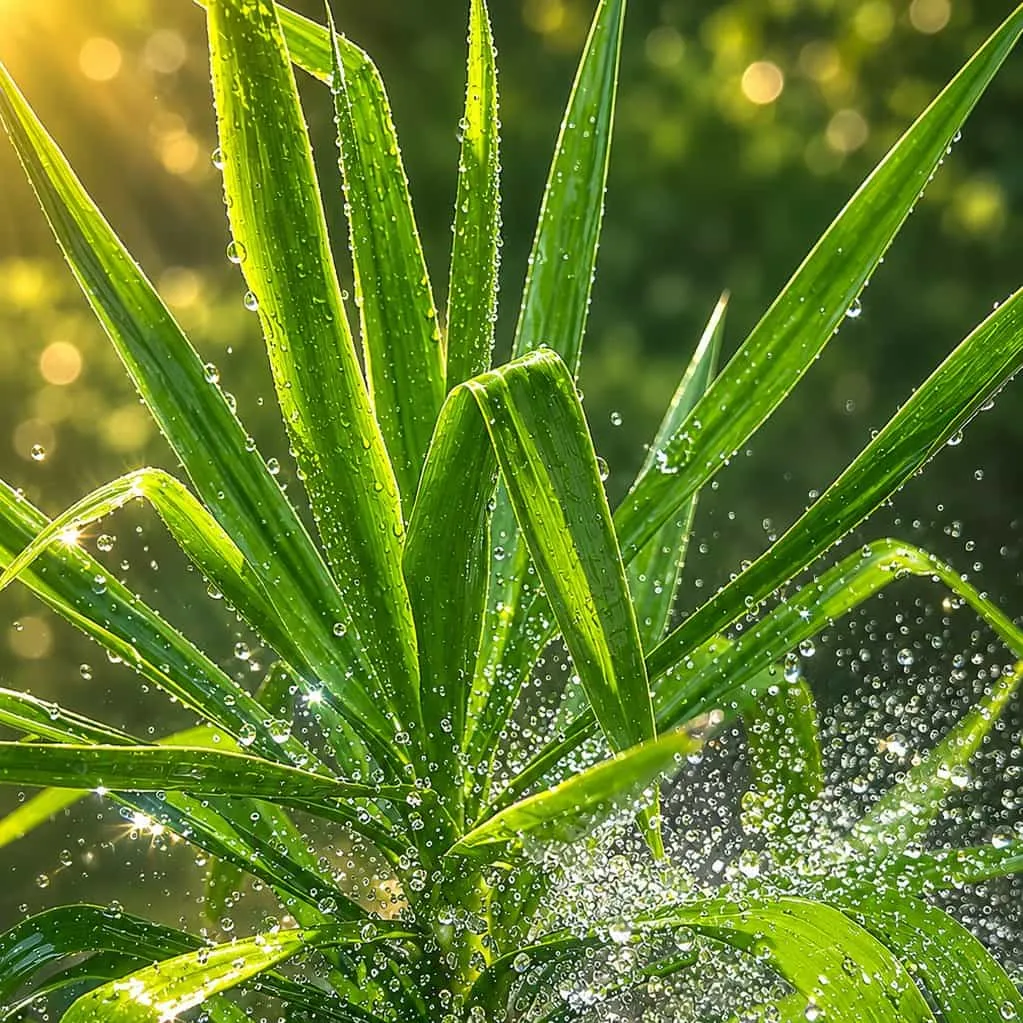
There is a very specific kind of quiet in the morning, right before the sun fully rises and the heavy heat of the day takes over. If you walk outside into your garden during this golden hour, you will notice something magical. Tiny, perfect diamonds of water rest right on the tips of the grass and the edges of your patio plants.
Morning dew is one of my absolute favorite things to photograph. It is nature’s gentle, built-in hydration system. The cool night air causes ambient moisture to condense, giving the leaves a refreshing, shallow drink before the intense summer sun hits the yard.
But beyond being beautiful, those tiny droplets are teaching us a vital gardening lesson. Nature always waters plants in the early morning, and if you want a thriving, disease-free garden, you should too.
The Plant’s Internal Clock
To understand why early morning is the sweet spot for your garden, we have to look at how plants breathe. Leaves are covered in microscopic pores called stomata. Think of them as tiny windows that open and close.
In the early hours of the morning, when the air is cool and the soil is still damp from the night, these stomata open wide. The plant is waking up, stretching, and preparing to process sunlight. When you pour water onto the soil at 6:00 AM or 7:00 AM, the roots absorb it instantly and send it up to the leaves right as the plant’s metabolic engine starts running.
If you wait until noon to water, the story changes completely. The midday sun causes the air to dry out, forcing the plant to slam its stomata shut to protect itself from losing moisture.
If you throw cold water on a hot plant under a blazing sun, the water evaporates off the top of the soil before the roots can even grab it. Even worse, water droplets resting on the leaves under intense noon sunlight can act like tiny magnifying glasses, leaving scorch marks on your delicate foliage.
The Danger of Late-Night Watering
On the flip side, many busy gardeners wait until they get home from work to drag the hose out. It seems logical: you are relaxed, the sun is down, and you have time. But watering late in the evening is a recipe for disaster, especially if you live in a humid climate.
When you water at night, the excess moisture sits on the leaves and around the crown of the plant in total darkness for eight to ten hours. Without the sun to dry off the foliage, you create a perfect, humid incubator for fungal spores, powdery mildew, and black spot disease.
Snails and slugs also love this. If you give them a wet, dark playground at 9:00 PM, they will happily spend the night chewing holes through your best specimens.
By switching your schedule to the morning, the rising sun gently dries off any excess water from the leaves within an hour or two, leaving the plant clean, hydrated, and safe from fungal invasions.
A Practical Lesson from Large Patio Pots
Let me give you a real example from my own outdoor space. I have several large, sun-loving foliage plants arranged around my patio and pool area. Because they are outdoors, many of them grow straight in the ground, taking full advantage of the open soil. But for the rest of my collection, especially the ones sitting on the hot concrete near the pool, I rely on large, heavy pots to give their root systems enough insulation and space to anchor.
Large outdoor foliage plants have a massive leaf surface. If you water these dense pots at night, water easily gets trapped in the tight spaces where the leaves meet the stems. In the dark, that trapped water rots the new growth from the inside out before it ever has a chance to unfurl.
Furthermore, outdoor pots sitting on concrete, stone, or pool decks absorb an incredible amount of heat during a sunny day. If you use a shallow or cheap pot, the soil turns into a literal oven, baking the roots from the sides.
I always tell people to invest in a heavy, large weatherproof planter for their outdoor statement plants. The extra volume of soil acts as a shield, protecting the roots from extreme temperature swings.
But even with a great pot, you need to match your watering to the soil’s behavior. If your potting mix is heavy and compact, morning watering won’t save you from root rot. Outdoor container plants need a highly porous, organic outdoor potting soil mix loaded with coarse sand or composted bark. This ensures that when you give your patio garden that early morning soak, the water moves through the pot smoothly, leaving the roots damp but never drowning.
The “Finger Test” Routine
So, how do you build this into your daily life? It is all about shifting your morning ritual. Before you check your phone or look at your emails, grab your mug of coffee or tea and step outside.
Don’t just blindly spray water everywhere. Use your best gardening tool: your index finger. Push your finger two inches deep into the soil of your pots. If it feels damp and cool, skip the water for today. If it feels dry and warm, it is time for a deep, slow soak.
Water the soil directly around the base of the plant, keeping the stream low to avoid splashing dirt onto the leaves. Watch the water disappear into the potting mix, knowing your plant has a full day’s supply of moisture ready to tackle the midday heat.
Essential Morning Watering Checklist
- Always check the soil moisture with your finger before grabbing the hose.
- Focus the water at the base of the plant, keeping the foliage as dry as possible.
- Give container plants a slow soak until water runs out of the bottom drainage holes.
- Empty the saucers under your patio pots after thirty minutes so the roots don’t sit in stagnant water.
My Recommended Setup for Outdoor Containers
To give your large patio plants the best setup for successful watering routines, these are the reliable supplies I use to keep my outdoor pots healthy:
- Root Protection: Large Weatherproof Outdoor Planter
- Well-Draining Base: Premium Organic Potting Soil Mix
Taking a cue from the morning dew isn’t just about keeping your plants alive. It is about slowing down and enjoying the quiet start to the day. It turns a chore into a peaceful routine that connects you directly with the rhythm of your garden.
Are you ready to change your alarm clock for the sake of your plants? Try it for two weeks, and watch how quickly your garden thanks you.