
Florida Orchids: The Simple Secret to Making Them Bloom Again
Stop throwing away faded orchids. Learn how a simple covered patio setup, eggshells, and bone meal make them bloom year after year.
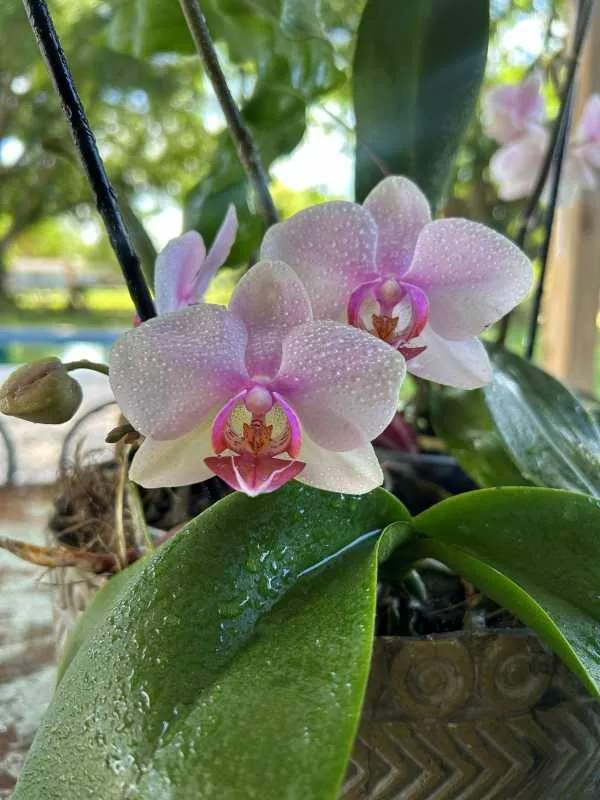
How many times have you been gifted a breathtaking orchid, enjoyed its flowers for a few months, and then assumed it was dead once the petals fell off? If you have a busy routine, it is so easy to toss that bare green stem into the trash.
Every single year, my husband gives me a gorgeous new orchid as a gift. Instead of discarding them, I keep them. Over the seasons, I built a personal collection of orchids that lose their blooms, rest, and then flower all over again like clockwork.
Here is a beautiful secret about God’s creation: rest is not death. It is preparation.
Orchids, especially the common Phalaenopsis variety, are epiphytes. In their native tropical habitats, they grow anchored to rough tree bark rather than sitting in dense soil. When they lose their flowers, they are simply entering a season of dormancy. They are resting and gathering energy for the next show. You can easily duplicate this natural cycle right at home if you change how you treat your plants during their quiet phase.
The Perfect Covered Patio Setup
Many people assume these tropical flowers must stay inside on a windowsill, but my collection thrives entirely outdoors. I keep my orchids on my covered back patio. This setup works perfectly because it shields the sensitive leaves from direct, scorching afternoon sunlight, which will sunburn the foliage.
Instead, they receive gentle, indirect light with a bit of soft morning sun. Morning light provides the exact energy boost they need to trigger new spikes.
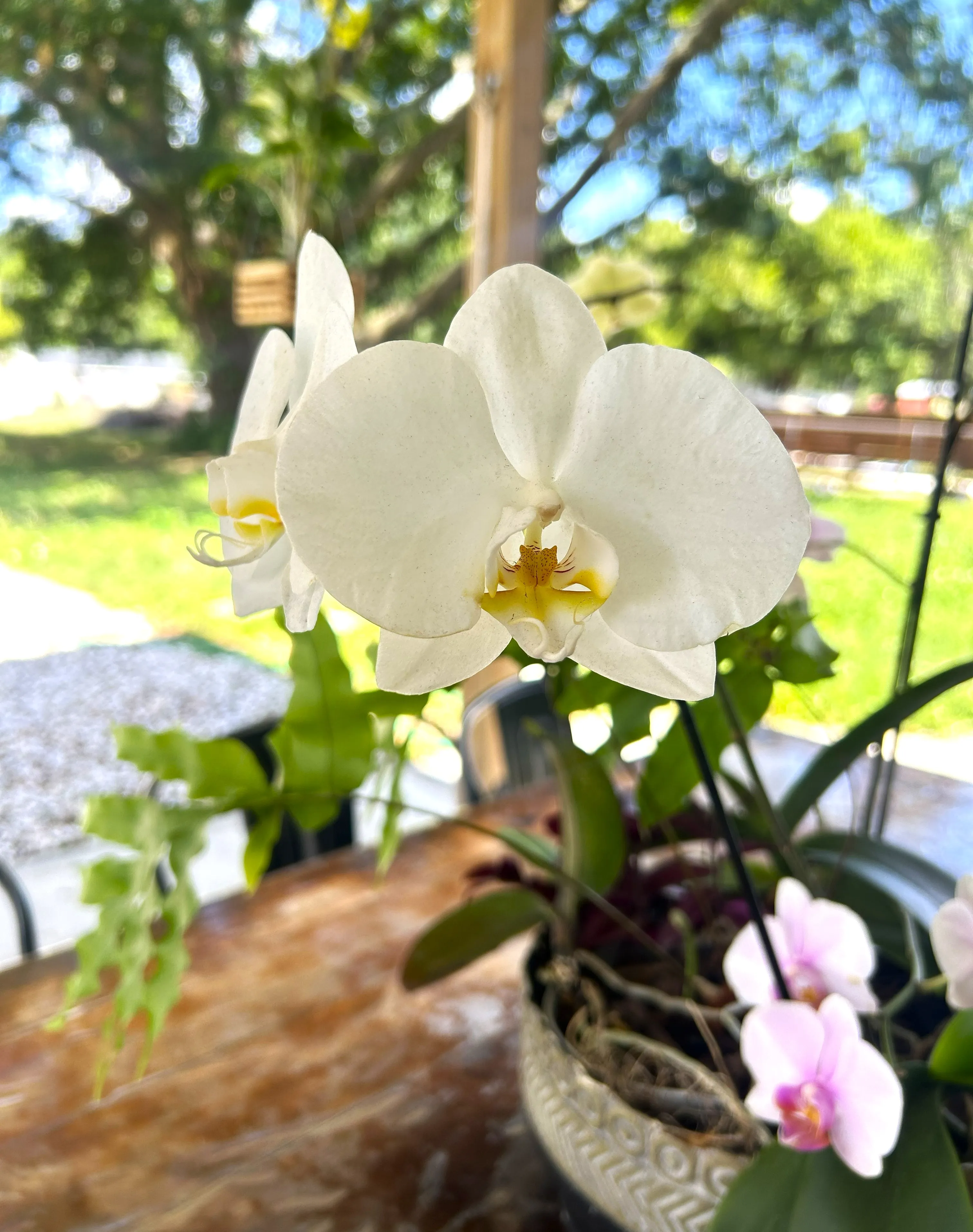
I keep my orchids clustered together inside one massive, large decorative pot. However, there is a trick to this. Do not plant them together in the same dirt. They are still sitting in their own individual small pots inside that larger container.
Grouping them closely creates a natural microclimate with higher humidity levels, which mimics the tropical canopy. They share the moisture in the air, but their root systems remain completely independent.
The Calcium and Bone Meal Feeding Trick
The biggest mistake people make is using weak, synthetic chemical sprays to force a bloom. I prefer a natural approach that strengthens the plant from the roots up. My secret weapons for reliable yearly blooms are ordinary eggshells and organic bone meal.
Orchids require high amounts of calcium to build strong cellular walls in new leaves, and they need phosphorus to develop flower spikes. I collect my kitchen eggshells, rinse them thoroughly, and let them dry completely until they are brittle. Then, I crush them into a very fine powder using a blender.
Once a month during the active growing season, I sprinkle a small spoonful of this homemade eggshell powder along with a tiny amount of organic bone meal directly onto the top of the potting medium. When I water the plant, these slow-release nutrients wash down into the roots. This routine feeds the orchid naturally without risk of chemical root burn.
Replanting and Refreshing the Substrate
You cannot leave an orchid in the same commercial store mix forever. The packed moss and bark eventually decay, turn acidic, and suffocate the roots. I replant my orchids every one to two years right after they finish a blooming cycle.
When you notice the old bark turning into dark mush, it is time to move the plant. Carefully pull the orchid out of its container and shake away the old material. Use clean scissors to snip off any hollow, brown, or rotted roots. Healthy roots should look plump and bright green or silvery white.
If you need to repot, always use a specialized Ceramic Orchid Pot with ventilation and a high-quality Potting Mix to mimic their natural environment. The holes in a proper orchid pot allow the air to circulate around the roots, preventing deadly fungus.
Pack the fresh bark mix firmly around the roots so the plant does not wobble. A loose orchid will feel insecure and refuse to grow.
Clean Leaves Equal Better Blooms
One step that most people ignore is leaf maintenance. Because my orchids live outside on the patio, they collect dust, pollen, and outdoor debris over time. If a thick layer of dust settles on the leaves, the plant cannot absorb light efficiently.
Every few weeks, I take a soft, damp microfiber cloth and gently wipe down each leaf. I don’t use commercial leaf-shine products because they contain oils that clog the plant pores. Just plain, lukewarm water does the job.
Keeping the leaves clean ensures the plant maximizes its natural food production through photosynthesis. It also gives you a chance to inspect the undersides for common patio pests like mealybugs or scale before they ruin your next bloom cycle.
Proper Hydration and the Temperature Trigger
Overwatering kills orchids faster than anything else. According to orchid care guidelines from the American Orchid Society, oxygen saturation at the root level is just as vital as hydration. These plants require a distinct wet-and-dry cycle to stay healthy, meaning the root environment must dry out briefly between waterings.
Run water through the bark mix just once a week. Let it drain completely out of the bottom holes. Never let the pot sit in a puddle of standing water inside a saucer.
To support the plant during this rest period, a gentle Plant Food can provide the nutrients needed for the next cycle. I use this diluted at half-strength every other week during the summer.
One day, usually when the autumn weather brings a slight drop in temperature at night, you will notice a tiny green, mitten-shaped bud emerging from the base of the plant. According to studies by the UF/IFAS Extension, a temporary 15 to 20 degree difference between day and night temperatures is the ultimate natural trigger for Phalaenopsis orchids to produce flowers.
Be careful not to mistake this new growth for a root. Roots are perfectly round and silver, while a new flower spike is green, flat, and looks like a tiny hand. That little spike is the reward of your patience. Leave the old green flower stems alone unless they turn completely brown and papery, as they can sometimes grow secondary spikes from the old nodes.
During the occasional winter cold snaps here in Florida, I pay close attention to the thermometer. If the nighttime temperature threatens to dip below 50 degrees Fahrenheit, I temporarily bring my decorative container inside the house for the night. Extreme cold will freeze the moisture inside the thick leaves, causing ugly black spots that never heal.
Stop throwing away your bare holiday gifts. Set them outside in a shaded spot, give them some crushed eggshells, and let them rest.