
Dendrobium Orchids: How to Keep Them Healthy and Blooming Every Year
How to choose, water, and care for Dendrobium orchids so they keep blooming year after year, the perfect Mother's Day gift.
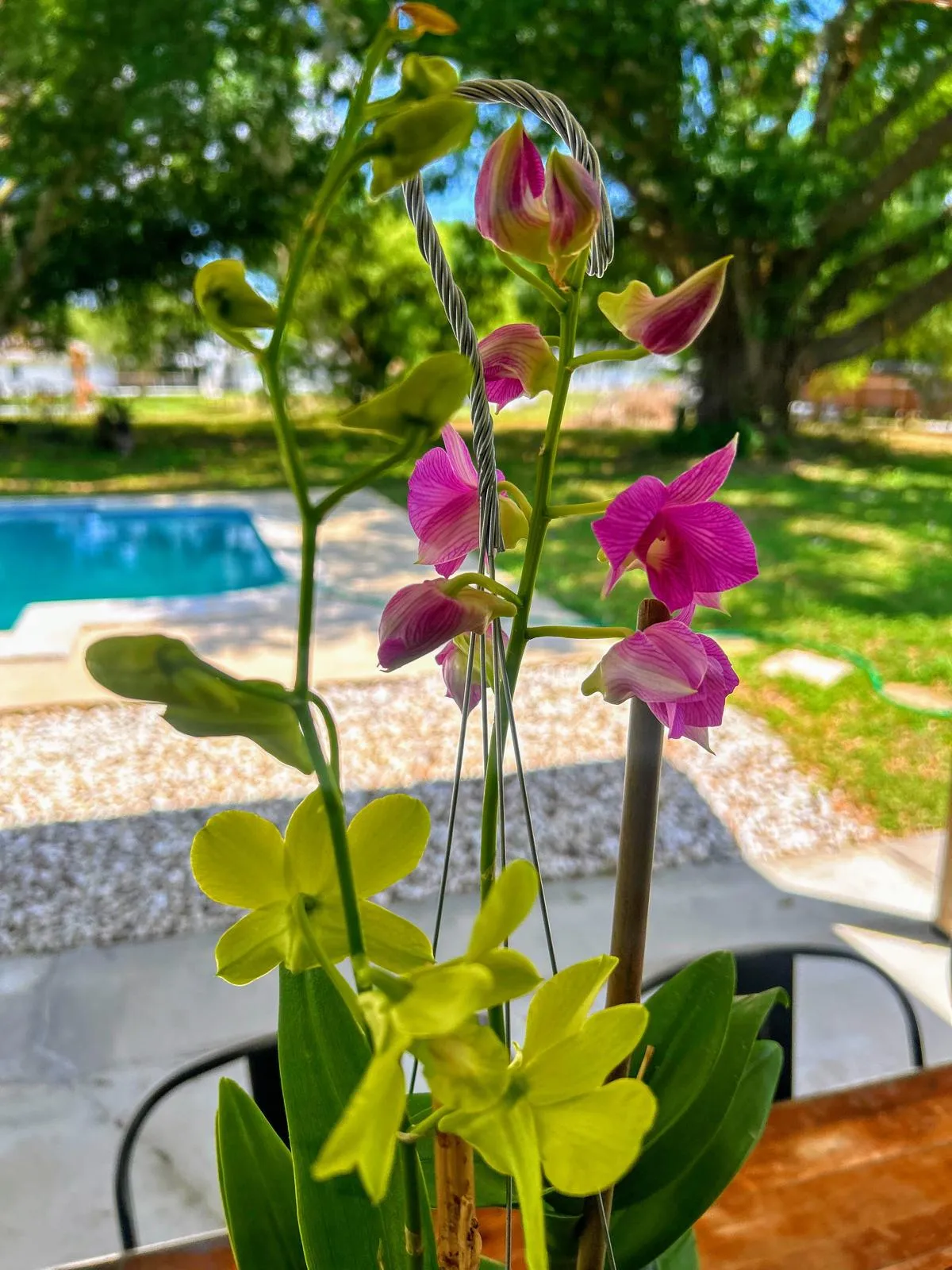
I recently celebrated my birthday and received the most beautiful gift from my husband: a pair of Dendrobium orchids. I was so impressed because he actually remembered my top tip and chose plants with plenty of closed buds! This means they will open slowly in our home and stay in bloom for much longer.
If you’re looking for a Mother’s Day gift that actually lasts (unlike a bouquet that fades in days), this is exactly what every plant lover wants. I am particularly enchanted by the vibrant lime green color of these Dendrobiums. It’s unique, fresh, and looks incredible in modern floral arrangements. Whether you prefer the classic pink or this modern green, these plants are true showstoppers.
Pro Tip: How to Buy the Best Orchid
When you’re shopping for a gift, here is my secret: look for the buds. Buying a plant with plenty of closed buds ensures they will open slowly in your home environment, giving you weeks or even months of extra blooming time. Avoid buying plants that are already in full bloom, as they are likely at the end of their flowering cycle.
Clearing the Confusion: Dendrobium vs. Phalaenopsis
Before we talk about care, let’s settle a common mistake. Many people call these “Butterfly Orchids” and assume they are Phalaenopsis. While they are relatives, they belong to completely different genera!
What you see in my collection are Dendrobium phalaenopsis-type. These are Dendrobiums that have flowers mimicking the look of a Phalaenopsis, but the plant structure is entirely different:
- Dendrobium: Grows in tall, reed-like “canes” (pseudobulbs) that store water and energy. They are much heartier and can handle more light.
- Phalaenopsis: Has broad, fleshy leaves and a different arching stem structure without the tall canes.
Light: The Secret to Continuous Blooms
Dendrobiums are sun seekers. To keep them healthy and blooming year after year, they need bright, indirect sunlight. In the northern hemisphere, an east-facing window is usually the “sweet spot.”
SolaPlant Diagnosis: Check the color of the leaves. If they are a dark, lush green, your orchid is actually asking for more light! You want a medium grass-green color for peak health and maximum flower production.
The Watering Routine: Soak and Dry
When it’s time to water, don’t be shy. Give your orchid a generous shower, letting the water run all the way through the pot for a minute.
The key to success is to let the substrate dry out completely before you soak it again. These plants are epiphytes (they grow on trees in nature) and hate “wet feet.” Constant moisture leads to root rot, which is the number one killer of indoor orchids.
Temperature and Humidity
Dendrobiums thrive in temperatures that we find comfortable, typically between 65°F and 85°F. However, they love a slight drop in temperature at night, which often triggers the blooming process. If your home is very dry, place the pot on a tray filled with pebbles and a little water to increase the local humidity without soaking the roots.
The Right Mix: Why Soil is Your Enemy
Never use regular potting soil. Dendrobiums need airflow around their roots. A chunky mix of pine bark and charcoal is ideal for drainage. I also like to include a small amount of sphagnum moss in the mix because it helps maintain just enough hydration without suffocating the roots.
The Perfect Pot: Slotted Cachepots
Dendrobiums actually love being a bit “root-bound” (snug in their pots). However, they need oxygen. Using a slotted wooden or plastic cachepot allows the roots to breathe and prevents stagnant water. This setup mimics their natural environment perfectly, where they cling to tree bark in tropical breezes.
What to Do After the Flowers Fall?
One of the biggest mistakes beginners make is cutting the “cane” once the flowers disappear. Do not cut the tall green cane! This cane stores nutrients for the next year’s growth. Only cut the thin flower spike itself once it has turned brown and dry.
FAQ: Troubleshooting Your Dendrobium
- Why are the leaves turning yellow? This is often a sign of overwatering or the plant being too cold.
- How often should I fertilize? Use a balanced orchid fertilizer “weakly, weekly.” This means diluting the fertilizer and applying it every time you water during the growing season.
- Will it bloom again? Yes! With enough light and a consistent watering schedule, Dendrobiums typically bloom once or twice a year.
Shop My Orchid Essentials (Perfect for Mother’s Day!)
Want to build the perfect orchid gift kit? Here are the exact items I recommend:
- Live Dendrobium Orchid (Amazon Choice): Shop on Amazon. The lime green is a must-have!
- Slotted Orchid Cachepot (Temu Favorite): See on Temu
- Premium Orchid Bark and Sphagnum Mix: Shop on Amazon
- Orchid Food Spray: Shop on Amazon
- Hudson Pro 0.5 Gallon Handheld Sprayer: Shop on Amazon
Do you have an orchid that refuses to bloom? Let’s troubleshoot together in the comments!