
The Ultimate Guide to Aloe Vera: Miraculous Benefits and the Vital Safety Step You Can't Skip
Aloe Vera offers incredible benefits for skin, hair, and healing. Discover its power and learn the crucial safety step to prevent severe allergic reactions.
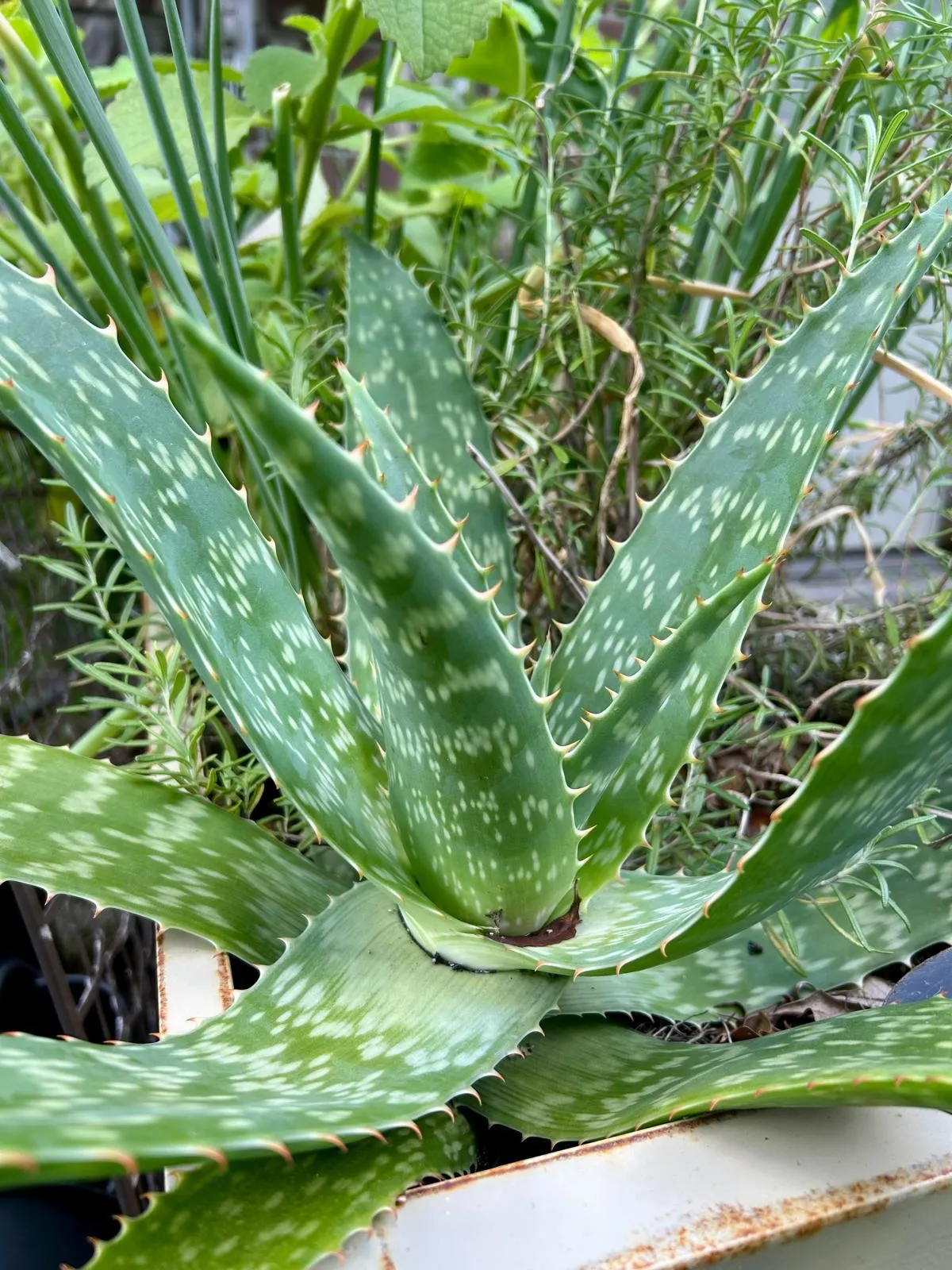
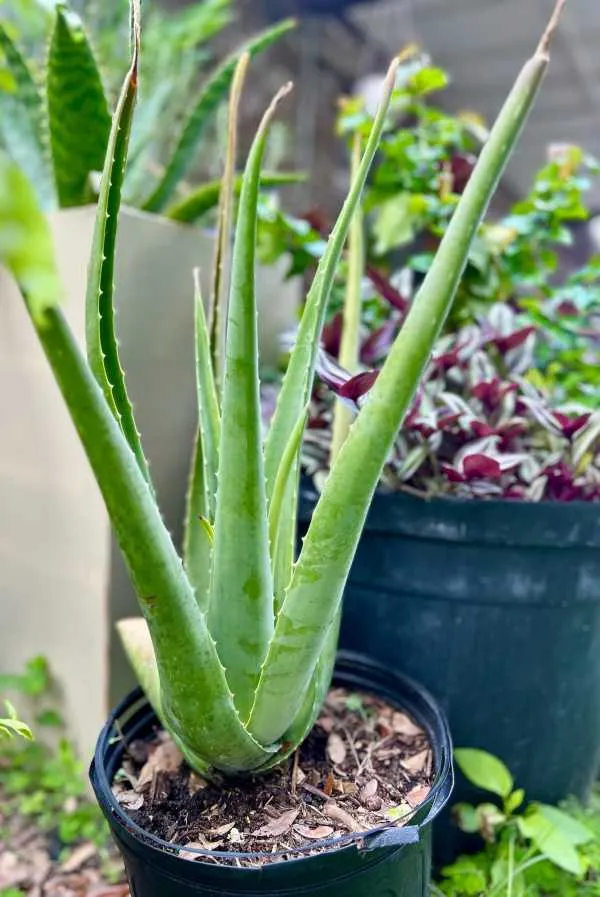
In my backyard garden, I cultivate two distinct types of aloe plants: Aloe vera (scientifically known as Aloe barbadensis Miller) and its close cousin, Aloe arborescens. While both are widely recognized as some of the most powerful, soothing plants God created, they look and behave quite differently. The Aloe vera plant produces massive, thick, fleshy leaves packed with an abundance of translucent gel, making it the global standard for harvesting. On the other hand, Aloe arborescens grows like a woody shrub with narrower, heavily spiked leaves that contain less water but boast highly concentrated active compounds.
From healing stubborn sunburns to deep-conditioning hair, these succulents are a staple in natural home remedies. However, because they are so common, many people assume using them is completely foolproof. Today, I want to share a deeply personal story from my family that taught us a terrifying lesson about how using this miraculous plant incorrectly can turn a natural remedy into an emergency room nightmare.
A Terrifying Family Emergency: The Danger of Raw Aloe
Years ago, when my youngest daughter was just 7 years old, we were at church when she was suddenly bitten by several ants all over her leg. She was crying hysterically from the stinging pain. Seeing her distress, our pastor’s wife kindly rushed to the church garden—which was beautifully filled with large Aloe Vera plants—broke off a fresh leaf, sliced it open, and rubbed it directly onto the fresh ant bites. She confidently assured us that aloe was excellent for bug bites.
Within just a few short minutes, our relief turned into absolute panic. My daughter’s face began to deform right before my eyes. Her lips swelled dramatically, her eyes puffed shut, and giant, angry hives and plaques erupted across her entire body. She was experiencing a severe, systemic allergic reaction.
Terrified, we called my brother-in-law, who is a doctor. He calmly but firmly instructed us to give her an antihistamine immediately and rush her to the emergency room. Thanks to God, the medication kicked in on the way, and she slowly began to decompress and breathe normally.
For a long time, we completely avoided Aloe Vera, believing our daughter was simply allergic to the plant. But today, we know the truth: the aloe itself wasn’t the enemy. The problem was how it was applied. By rubbing a raw, unwashed leaf directly onto broken, bitten skin, the plant’s yellowish sap entered her bloodstream directly, triggering an immediate toxic response.
Understanding the Hidden Irritant: Aloin vs. Pure Gel
To understand why this happened, we have to look at the anatomy of an Aloe Vera leaf. It contains two completely distinct substances that serve different botanical purposes:
- The Clear Inner Gel: This is the inner, nutrient-rich flesh that contains vitamins, enzymes, minerals, and polysaccharides that heal, hydrate, and soothe human tissue.
- The Aloe Latex (Aloin): This is the bitter, yellowish-brown sap found in the tubules right beneath the green rind. In nature, this sap acts as the plant’s defense mechanism to prevent animals from eating its leaves.
Aloin is a powerful chemical anthraquinone and a known skin irritant. When applied to completely intact skin, it might only cause mild redness or itching. However, when rubbed directly into open wounds, scratches, fresh insect bites, or highly sensitive skin, it can act as a topical toxin, causing severe contact dermatitis or triggering dangerous systemic allergic reactions like the one my daughter experienced. To use Aloe Vera safely for any home remedy, extracting only the clear gel while completely discarding the yellow latex is an absolute necessity.
The Miraculous Benefits of Properly Prepared Aloe Vera
Once you know how to isolate and extract the inner gel safely—whether you are using the high-yielding Aloe vera or the potent Aloe arborescens—the health, wellness, and beauty benefits of this genus are truly endless. Here is what this living medicine cabinet can do for your daily routine:
1. Accelerated Wound and Sunburn Healing
Pure aloe gel acts as a breathable, protective barrier over damaged skin cells. It pulls heat out of sunburns, cools acute inflammation, and stimulates rapid collagen production to repair tissue. Clinical data compiled by the National Institutes of Health confirms that pure aloe vera significantly speeds up the recovery time for first and second-degree burns, keeping the skin hydrated without trapping bacteria underneath.
2. Natural Hair and Scalp Conditioner
If you struggle with dry hair, brittle ends, or an itchy, flaky scalp, aloe vera is a remarkable, zero-chemical game-changer. The gel contains specific proteolytic enzymes that gently break down and repair dead skin cells on the scalp while locking deep moisture directly into the hair shaft. Mixing pure, clean aloe gel with your favorite hair mask or applying it as a pre-shampoo treatment leaves your hair incredibly shiny, soft, and completely hydrated from root to tip.
3. Soothing Bug Bites and Skin Irritations (The Right Way)
Yes, aloe vera is amazing for bug bites and rashes—but only when the aloin is removed! The pure clear gel contains an enzyme called bradykinase, which specifically reduces excessive swelling and stops the intense itching caused by insect saliva or external allergens.
How to Harvest Aloe Vera Safely at Home
To ensure your homemade aloe remedies are 100% safe for your family, always utilize The Clean Harvest Method and never skip a single step:
- The Cut: Always select a thick, mature outer leaf from the very bottom of the plant. Use a clean, sharp knife to slice it horizontally at the base. Never tear or snap a leaf off with your hands, as this crushes the protective cells.
- The Drain: Stand the leaf upright in an empty cup, jar, or bowl for 10 to 15 minutes. You will see the yellow aloin sap drip down and collect at the bottom. Discard this toxic yellow fluid completely and wash the entire leaf under cold running water.
- The Extraction: Lay the washed leaf flat on a cutting board. Slice off the sharp, prickly edges along both sides, peel away the top green skin layer, and scoop out only the crystal-clear, solid block of jelly.
Safety First: Pre-Application Tips for Peace of Mind
Even when using perfectly drained aloe vera gel, it is always wise to practice caution, especially with children or individuals with sensitive skin.
Dermatological studies from institutions like the Mayo Clinic emphasize that utilizing pure, raw botanical extracts free from commercial chemical additives is highly effective for skin hydration, provided proper allergy patch tests are conducted first. Before applying a fresh batch of aloe gel over a large area of your body, rub a tiny amount on the inside of your wrist or elbow. Wait 24 hours to ensure no redness, swelling, or irritation develops.
Having an Aloe plant in your garden is an incredible blessing, but proper knowledge is what keeps our families safe. By taking the extra ten minutes to clean, drain, and test your harvest correctly, you can confidently enjoy every single miracle this ancient plant has to offer.